Sharing the Cottage Without Losing Yourself: The Surprising Way Guests Can Make Your Getaway Better
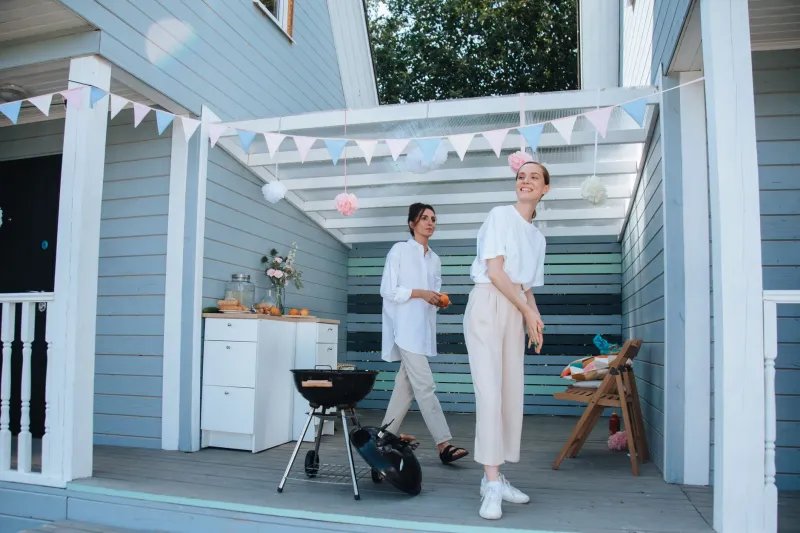
There's a particular kind of hesitation that comes when someone you love says, "That cottage sounds amazing — mind if I join you for a few days?"
Your first instinct might be to wince. You've been picturing mornings with coffee and no agenda, afternoons reading on the porch, evenings where nobody needs anything from you. Inviting another person into that picture feels risky. What if their energy disrupts your rhythm? What if you spend the whole time being a host instead of a guest in your own vacation?
Here's the thing, though: that tension you're feeling is worth examining, not just avoiding. Because for a lot of people, the right kind of shared cottage time — done thoughtfully — can actually deepen rest rather than dilute it.
The Psychology Behind Togetherness and Solitude
Researchers who study restoration and mental recovery have found something that feels counterintuitive at first. Being around people we genuinely like — without the pressure of social performance — can be just as restorative as being alone. The key phrase there is without pressure. The difference between a draining social situation and a nourishing one often comes down to expectations.
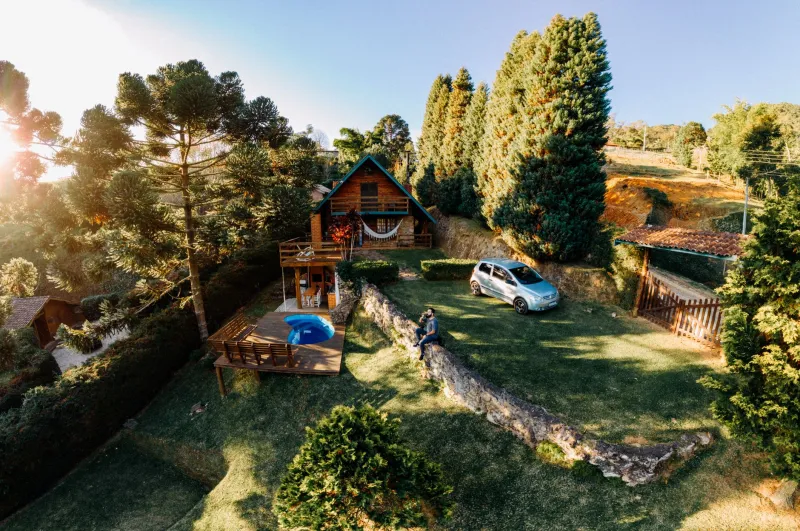
A cottage setting naturally strips away a lot of the noise that makes socializing exhausting. There's no restaurant to choose, no event to coordinate around, no need to look a certain way. When you share a space like Four Winds Holiday Cottage with someone who's on the same page about slowing down, something shifts. Conversations get slower and more honest. Silences become comfortable. You stop performing and start just... being.
That kind of togetherness doesn't compete with rest. It is rest.
When to Say Yes — and When to Protect Your Space
Not every guest is the right guest for your retreat, and knowing the difference before they arrive will save you a lot of quiet resentment.
Ask yourself a few honest questions. Does this person know how to be bored without filling every moment? Do they respect silence, or do they instinctively reach for the TV remote the second things get quiet? Will they follow your lead on pacing, or will they arrive with an agenda of their own?
None of these are character flaws. Some people just aren't in the right headspace for a slow cottage weekend, and that's okay. The mistake is assuming that because you're ready to unwind, everyone you invite will be too.
It's perfectly reasonable — and actually kind — to say something like: "This trip is going to be really low-key. I'm planning to read a lot, take some walks, and mostly just decompress. If that sounds good to you, I'd love the company. If you're looking for something more active, let's plan a different trip together."
Setting that tone upfront isn't being a bad host. It's being an honest one.
Creating Separate Sanctuaries Within a Shared Space
One of the most underrated features of a well-designed holiday cottage is how it naturally divides into zones — a kitchen that invites lingering conversation, a porch that's perfect for solitary reading, a bedroom that's yours alone. At Four Winds, the whole spirit of the place is built around different corners offering different moods. That architecture becomes your best tool when you're sharing the space.
Before your guest arrives, think about which spaces you want to claim as yours and communicate that gently. Maybe the Adirondack chair by the east window is where you do your morning journaling — just you, your coffee, and the early light. That doesn't mean your guest can't be on the porch too, but letting them know "that's my quiet time spot" sets a boundary that most people will naturally respect.
Shared spaces work best when everyone knows the unspoken rules. A simple conversation — even a lighthearted one — goes a long way. "I'm not much of a morning talker until after my first cup" is all it takes to protect your sunrise ritual without making anyone feel unwelcome.
The Rhythm That Makes It Work
The couples and friends who navigate shared cottage time best tend to have one thing in common: they establish a loose daily rhythm that gives everyone both connection and breathing room.
Mornings apart, afternoons together is a framework that works surprisingly well. Let each person wake up at their own pace, do their own thing for the first few hours, then reconvene for a shared lunch or an afternoon walk. Evenings can be communal — a slow dinner, a card game, a fire if there's a pit — but nobody's obligated to stay up past their comfortable hour.
This rhythm honors the fact that people recharge differently. Introverts and extroverts can coexist beautifully in a cottage when there's enough intentional space between the shared moments.
What You Gain by Letting Someone In
Here's the paradox that tends to surprise people: when you share your cottage retreat with the right person, you often come away with a deeper sense of restoration than if you'd gone alone.
Part of it is the shared memory. There's something about experiencing a beautiful, slow place with someone you care about that lodges it more firmly in your mind. You'll remember the weekend not just as "that time I rested" but as a specific, textured thing — the conversation you had on the porch Tuesday night, the way you both laughed at the same bird outside the window.
Part of it is also accountability. When you're alone, it's easy to slip back into old habits — checking your phone, half-working, filling silence with noise. A guest who's genuinely committed to the same slow pace becomes a kind of mirror, reminding you to stay in the spirit of the trip.
And part of it, honestly, is just the warmth of being known. Rest isn't only about quiet. Sometimes it's about being with people who don't need you to be anything other than what you are.
The Invitation Worth Extending
So the next time someone asks to join you at the cottage, don't dismiss the idea out of hand. Instead, get curious. Could this person be someone who adds to the peace rather than disrupting it? Could you set up the space — and the expectations — in a way that protects both of your retreats?
At Four Winds Holiday Cottage, the whole premise is that a peaceful escape looks different for everyone. Sometimes that means total solitude. And sometimes it means sitting on a porch with someone you love, watching the wind move through the trees, not saying much of anything at all.
That, too, is rest. Maybe even the best kind.