Silence Is the New Luxury: Why the Quietest Cottage Wins Every Time
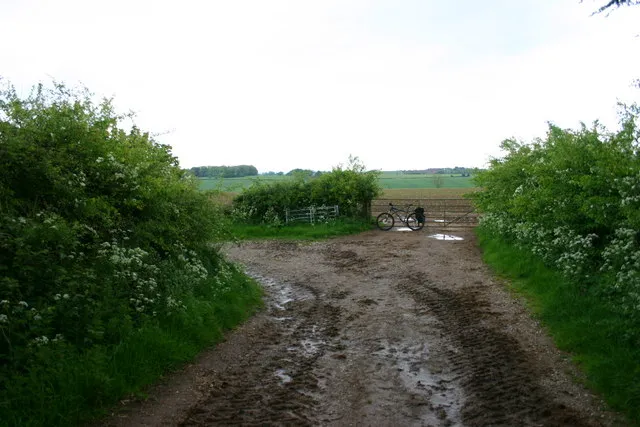
Photo: Stephen Pearce, CC BY-SA 2.0, via Wikimedia Commons
Think about the last time you experienced true quiet. Not the muffled hush of noise-canceling headphones, not the artificial calm of a white noise app—but actual, honest-to-goodness silence. For most Americans living in urban or suburban environments, that memory is surprisingly hard to pin down. The average city dweller absorbs somewhere between 70 and 85 decibels of ambient noise on a typical day, roughly equivalent to standing next to a running vacuum cleaner for hours on end. We've normalized it so completely that we barely notice the toll it takes.
That's changing. A growing number of travelers are making a deliberate, sometimes surprising trade-off: fewer smart-home gadgets, smaller swimming pools, and yes, even slower Wi-Fi—in exchange for genuine, measurable quiet. And the science behind that preference is more compelling than you might expect.
What Noise Actually Does to Your Body
The World Health Organization has spent years documenting what researchers call "environmental noise pollution," and the findings aren't subtle. Chronic exposure to elevated noise levels is linked to elevated cortisol production, disrupted sleep architecture, increased cardiovascular risk, and reduced cognitive performance. Your nervous system doesn't distinguish between a car alarm and a predator—both register as threats, both trigger a stress response, and both chip away at your baseline wellbeing over time.
Conversely, the research on acoustic quiet is equally striking. Studies published in journals like Heart have shown that two minutes of silence can be more physiologically relaxing than listening to so-called "relaxation music." Neuroscientists at Duke University found that periods of silence actually stimulate the growth of new brain cells in the hippocampus, the region associated with memory and emotional regulation. In other words, silence isn't just the absence of something bad—it's the presence of something genuinely restorative.
When you frame it that way, paying a premium for a cottage that sits far from highway noise, flight paths, and the ambient hum of city infrastructure starts to sound less like a splurge and more like a health investment.
What Makes a Cottage Truly Quiet
Not all rural properties are created equal when it comes to acoustic comfort. Location is the obvious starting point—distance from main roads, airports, and commercial areas matters enormously. But serious quiet-seekers should dig a little deeper when evaluating a rental.
Topography and natural buffers play a surprisingly large role. A cottage nestled in a valley, surrounded by dense woodland, benefits from natural sound absorption that no amount of insulation can fully replicate. Trees and dense vegetation scatter and absorb sound waves; a property sitting on an exposed hilltop or flat open field may feel remote but can actually funnel wind noise and carry distant sounds further than you'd expect.
Building materials and construction quality are the next layer. Thick stone or brick walls, double-pane windows, and solid-core interior doors all contribute to what acoustic engineers call the "noise reduction coefficient" of a space. Older, well-built cottages—particularly those constructed from local stone—often outperform modern builds in this regard, simply because the materials are denser and the walls are thicker.
Internal layout matters too. Open-plan living areas can feel spacious and airy, but they also allow sound to travel freely between zones. Cottages with defined, separated rooms—a proper bedroom with a door that closes, for instance—give guests greater control over their acoustic environment at different times of day.
The Wi-Fi Trade-Off Nobody Talks About
Here's a quiet truth about vacation rental listings: strong Wi-Fi and genuine tranquility are often in tension with each other. The infrastructure required for reliable high-speed internet in truly remote locations sometimes brings with it proximity to cell towers, utility lines, and the low-level electronic hum that sensitive sleepers notice immediately.
More practically, a cottage that markets itself on fast Wi-Fi is implicitly inviting you to stay connected—to keep checking emails, streaming content, and maintaining the digital habits that probably wore you out in the first place. There's nothing wrong with connectivity, but if deep rest is your goal, a property that leans into its quietness rather than its bandwidth is sending you a more honest signal about what the experience will actually feel like.
At Four Winds Holiday Cottage, we think about this a lot. The whole point of coming here is to let the noise—literal and figurative—fall away. The wind through the trees, the occasional bird, the creak of the cottage settling in the evening: these are sounds that calm rather than agitate. They're what researchers sometimes call "natural soundscapes," and they have their own measurable positive effects on mood and stress levels.
How to Evaluate Quiet Before You Book
If acoustic comfort has moved up your priority list, here are a few practical ways to assess a rental before you commit:
- Read reviews with noise in mind. Search for words like "peaceful," "quiet," "heard nothing," or their opposites. Guests who experienced noise almost always mention it.
- Check satellite imagery. Google Maps satellite view will show you proximity to roads, commercial buildings, and other potential noise sources more honestly than any listing description.
- Ask the host directly. A good host will be upfront about nearby sources of noise—and their willingness to answer the question honestly is itself a useful signal.
- Look at the listing photos carefully. Are the windows single-pane? Is there a busy road visible in the background of the "pastoral view" shot?
- Consider the season. A cottage that's blissfully quiet in January might sit adjacent to a popular hiking trail that fills with weekend visitors in July.
Silence as a Design Philosophy
The most thoughtful cottage hosts aren't just lucky enough to have a quiet property—they actively design for it. That means selecting furnishings that absorb rather than reflect sound (soft rugs, upholstered seating, fabric curtains rather than hard blinds), minimizing the presence of appliances with audible motors, and landscaping in ways that create natural acoustic buffers.
It also means making deliberate choices about what not to include. No outdoor speakers piping in background music. No television in the bedroom. No smart home hub chirping at you when you walk past it. These omissions aren't oversights—they're a statement of intent.
When a cottage gets all of this right, the effect is almost immediate. Guests describe it the same way, over and over: they sleep better on the first night than they have in months. They wake up without an alarm and feel genuinely rested rather than just less tired. They find themselves thinking more clearly, feeling more present, and—often to their own surprise—not missing the internet at all.
That's not magic. That's what your nervous system does when you finally give it the environment it's been asking for. And it turns out, that environment doesn't require a spa, a private chef, or a rooftop pool. It just requires quiet.
Sometimes the most luxurious thing a cottage can offer you is the sound of nothing at all.